The Future of Metal Fabrication Lies in 5 Axis Laser Cutting
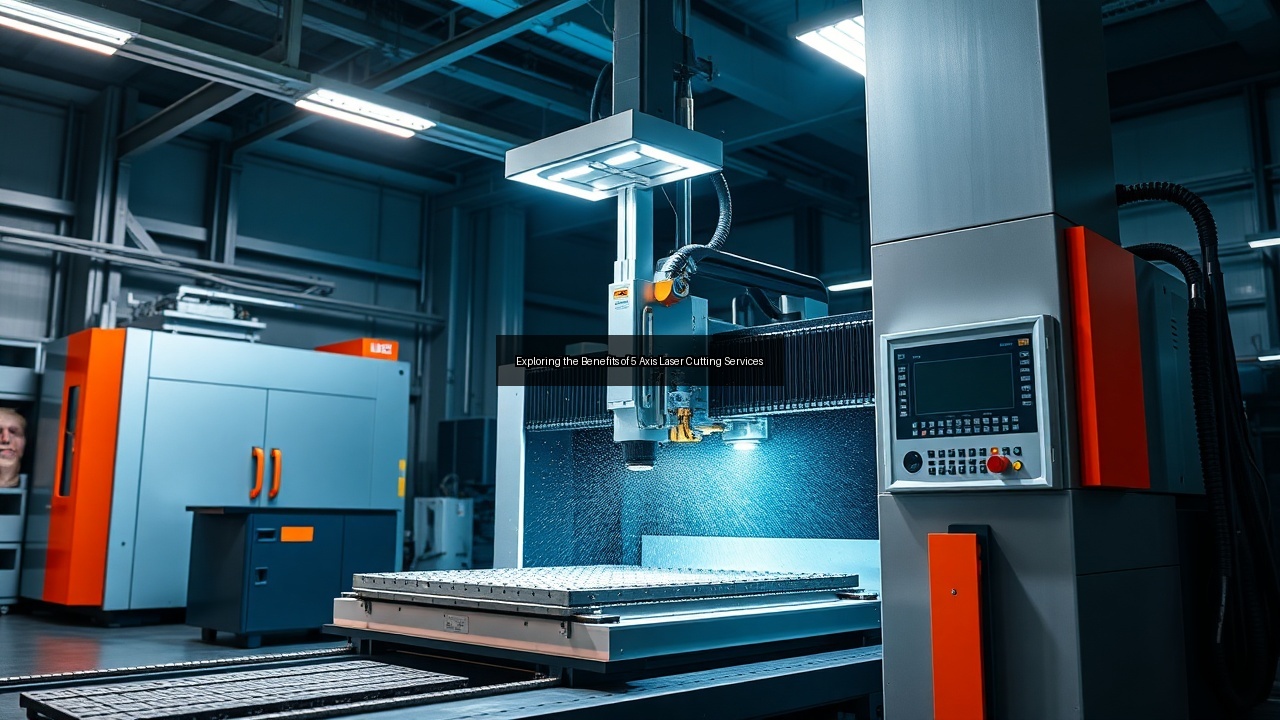
Revolutionizing Metal Fabrication with 5 Axis Laser Cutting
Overview of Metal Fabrication
Metal fabrication encompasses a wide range of processes that transform raw metal materials into finished products. This intricate field includes various techniques such as welding, cutting, bending, and assembling, all of which require precision and skill. In recent years, the demand for high-quality metal components has surged, driven by industries like construction, automotive, aerospace, and HVAC. As such, businesses continually seek innovative methods to enhance production efficiency while maintaining high standards of quality. Among these advancements, 5 axis laser cutting has emerged as a game-changer, offering remarkable benefits in speed, precision, and versatility.
The Importance of Precision in Metal Cutting
Precision plays a pivotal role in metal cutting, as inaccuracies can lead to wasted materials, increased labor costs, and subpar product quality. Industries that rely on metal fabrication, such as aerospace and automotive, require components that adhere to stringent specifications. Any deviation from the intended measurements can compromise not only the performance of the final product but also safety. Laser cutting technology excels in this area, providing the ability to achieve laser-cut parts with minimal tolerances. This level of accuracy significantly reduces the need for secondary operations, ultimately streamlining the manufacturing process.
How 5 Axis Laser Cutting Stands Out
5 axis laser cutting technology revolutionizes traditional metal fabrication processes by allowing operators to manipulate both the laser head and the workpiece along five different axes. This capability enables the creation of complex geometries and intricate designs that were previously challenging, if not impossible, to achieve with conventional methods. Unlike 2D or 3D cutting, 5 axis systems provide unparalleled flexibility, allowing for continuous cutting motion across various angles. This results in smoother edges, reduced material waste, and less time spent on post-processing. As industries demand more sophisticated designs, 5 axis laser cutting will undoubtedly play a leading role in meeting these expectations.
The Technology Behind 5 Axis Laser Cutting
Understanding the Laser Cutting Process
The laser cutting process employs a high-powered laser beam to melt, burn, or vaporize material, resulting in a precise cut. This method is particularly effective for metals, as lasers can easily penetrate various thicknesses, producing clean edges without the need for additional finishing. During the cutting process, the laser moves along a predefined path, guided by computer numerical control (CNC) software. This automation allows for high repeatability and accuracy, essential for modern manufacturing. As technology progresses, the integration of advanced optics and cooling systems further enhances the efficiency of laser cutting operations.
Components of a 5 Axis Laser Cutter
A 5 axis laser cutter consists of several critical components, each contributing to its overall functionality. The laser source generates the beam, typically utilizing CO2 or fiber lasers, depending on the material being processed. The cutting head directs the laser beam and can be adjusted in multiple axes to create intricate designs. Additionally, a robust CNC system interprets the digital designs and translates them into precise movements, while CAM software optimizes cutting paths for efficiency. Other essential elements include a cooling system to maintain optimal operating temperatures and a fume extraction system to manage smoke and debris generated during the cutting process.
The Role of CNC and CAM in Laser Cutting
CNC and CAM play crucial roles in the efficiency and accuracy of 5 axis laser cutting services. CNC (computer numerical control) systems automate the laser cutting process, ensuring that each cut adheres to the specifications provided in the digital design. This automation eliminates human error and enhances repeatability, making it possible to produce large quantities of identical parts without compromising quality. CAM (computer-aided manufacturing) software complements CNC technology by optimizing cutting paths and minimizing processing time. By integrating these two technologies, manufacturers can maximize productivity while reducing production costs, ultimately positioning themselves for success in a competitive market.
Applications and Benefits of 5 Axis Laser Cutting
Industries Leveraging 5 Axis Laser Cutting
5 axis laser cutting finds applications in numerous industries, including automotive, aerospace, HVAC, and metal art fabrication. In the automotive sector, manufacturers utilize this technology to create complex components, such as brackets and frames, that require both precision and intricate designs. The aerospace industry benefits from 5 axis laser cutting by producing lightweight, high-strength parts that contribute to fuel efficiency and overall performance. HVAC manufacturers use laser cutting to create ductwork and components that fit precisely within existing systems. Additionally, metal artists leverage the technology to craft unique designs that showcase intricate details and high-quality finishes.
Comparative Advantages Over Traditional Methods
5 axis laser cutting offers several advantages over traditional cutting methods, such as plasma and waterjet cutting. The most notable benefit lies in the precision and accuracy that laser technology provides. Traditional methods often result in rough edges and require additional finishing processes, whereas laser cutting produces clean, smooth edges directly. Furthermore, the speed of laser cutting allows for shorter lead times, enabling manufacturers to respond quickly to market demands. The ability to cut complex shapes without the need for special tooling further reduces costs and waste, making 5 axis laser cutting an attractive option for businesses aiming to improve their production capabilities.
Case Studies: Success Stories in Metal Fabrication
Numerous businesses have successfully integrated 5 axis laser cutting into their operations, reaping the rewards of increased efficiency and product quality. For instance, an automotive manufacturer implemented this technology to produce intricate structural components that previously required multiple machining processes. By switching to 5 axis laser cutting, they reduced production time by 40% and improved the overall accuracy of their parts. Another case involves a metal art studio that utilized 5 axis laser cutting to create complex designs that captivated customers. The studio saw a 50% increase in sales as a result of offering unique, high-quality pieces that stood out in the market. These success stories illustrate the transformative impact of 5 axis laser cutting in the metal fabrication landscape.
Future Trends in Laser Cutting Services
Advancements in Laser Cutting Technology
The future of laser cutting services lies in continuous advancements in technology. Innovations in laser sources, such as the development of ultra-fast lasers, promise to enhance cutting speeds and improve material versatility. As lasers become more efficient, manufacturers will have the ability to process a wider range of materials, including those that are currently challenging to cut. Additionally, advancements in automation and robotics will further streamline the production process, allowing for greater flexibility and reduced labor costs. These technological enhancements will solidify 5 axis laser cutting as a cornerstone of modern metal fabrication.
The Integration of Software in Laser Cutting
Software integration will play a critical role in the evolution of laser cutting services. As manufacturers increasingly adopt Industry 4.0 principles, the use of connected devices and smart software will enhance operational efficiency. Advanced software solutions can analyze production data in real-time, allowing operators to make informed decisions and optimize cutting processes. Predictive maintenance software will also become more prevalent, helping to identify potential equipment failures before they occur. This proactive approach will minimize downtime and improve overall productivity, ensuring that laser cutting technology remains at the forefront of metal fabrication.
The Growing Demand for Custom Laser Cutting Services
The demand for custom laser cutting services continues to rise as businesses seek unique and tailored components. Industries are increasingly looking for ways to differentiate their products, leading to a surge in requests for specialized designs. 5 axis laser cutting offers the flexibility needed to create bespoke solutions that meet specific customer requirements. This growing trend encourages manufacturers to invest in advanced laser cutting technology and skilled operators capable of delivering high-quality, customized products. As consumers increasingly prioritize individuality, the future of metal fabrication will inevitably lean towards innovative and tailored solutions made possible by 5 axis laser cutting.