The Future of Metal Fabrication is Here with 5 Axis Laser Cutting
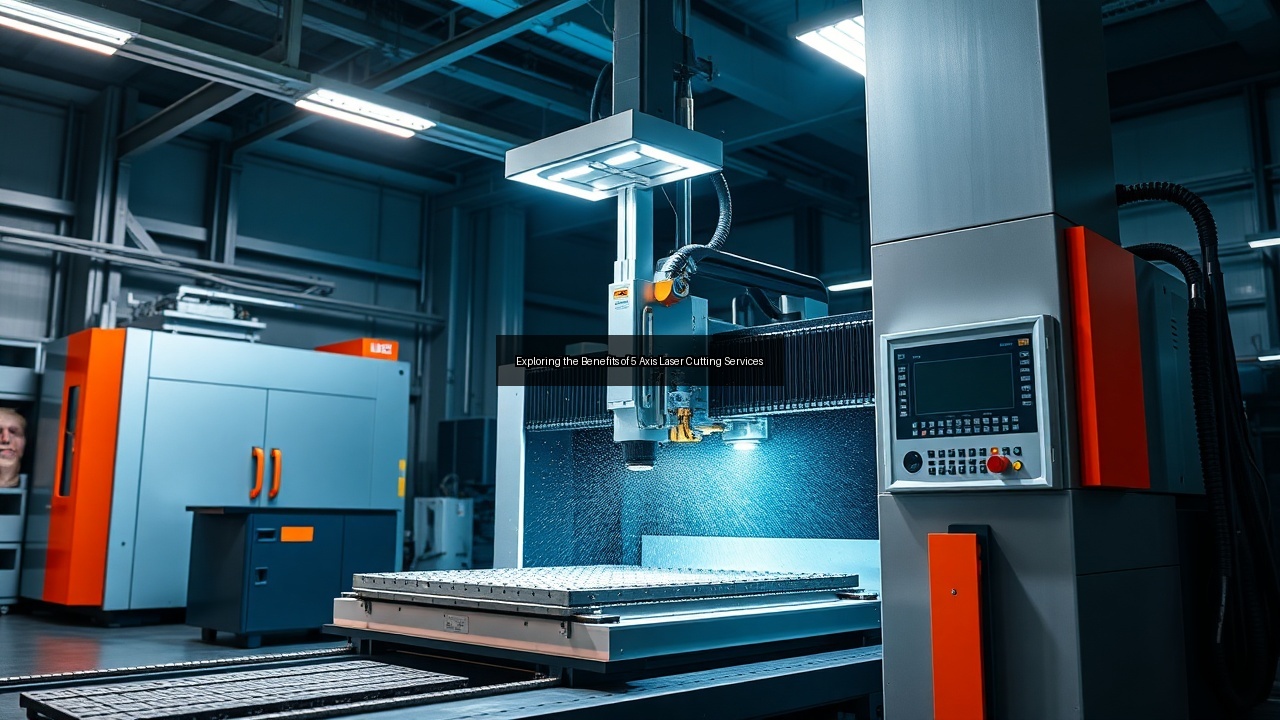
Revolutionizing Metal Fabrication with 5 Axis Laser Cutting
Understanding 5 Axis Laser Cutting Technology
5 axis laser cutting delivers unmatched flexibility in metals fabrication by moving the laser head along five independent axes simultaneously. This setup allows the beam to approach workpieces from virtually any angle without repositioning the part. Operators program tool paths through integrated CAM software that translates complex geometries into precise cutting instructions. The result cuts intricate contours, bevels, and three-dimensional features in a single setup. Modern laser cutting equipment combines high-power fiber lasers with robust CNC controllers to maintain tight tolerances across thick and thin materials alike. Fabricators gain the ability to produce parts that once required multiple secondary operations. The technology supports rapid prototyping and high-volume production runs with equal efficiency.
Advantages of 5 Axis Laser Cutting in Metal Fabrication
Manufacturers choose 5 axis laser cutting because it reduces handling time and eliminates alignment errors common in multi-step processes. The system produces clean edges that require little or no post-processing, which shortens lead times and lowers labor costs. Complex brackets, enclosures, and structural components emerge finished from the machine in minutes rather than hours. Fiber laser sources deliver consistent power that cuts reflective metals such as aluminum and copper without surface damage. Shops also report higher material utilization since nested parts fit more tightly when five-axis motion optimizes every cut path. Overall throughput rises while scrap rates fall, giving fabricators a clear competitive edge in precision markets.
Comparison with Traditional Laser Cutting Methods
Traditional three-axis laser cutters restrict the beam to flat planes, forcing operators to fixture parts repeatedly for angled features. Five-axis systems eliminate those extra setups by tilting and rotating the head on the fly. Where older machines leave visible witness marks or require manual grinding, 5 axis laser cutting produces smooth, ready-to-assemble surfaces. Cycle times drop dramatically on parts with compound curves because the laser follows the contour without stopping. Accuracy improves as well; positional repeatability stays within microns across the entire work envelope. Shops transitioning from flat-bed cutters quickly notice fewer rejects and faster delivery on custom engineering projects.
The Laser Cutting Process Explained
Overview of Laser Cutting Techniques
Laser cutting begins when a focused beam melts or vaporizes material along a programmed path. Different techniques suit different metals and thicknesses. Fusion cutting uses assist gas to blow molten material away, while sublimation cutting vaporizes material directly for the finest edges. 5 axis laser cutting extends these methods by allowing the beam to attack the workpiece from multiple orientations in one continuous motion. Operators select parameters such as power, speed, and gas pressure through the control interface to match each job. The process handles stainless steel, mild steel, aluminum, and exotic alloys with equal precision. Consistent edge quality across every angle makes the technology ideal for visible architectural components and functional mechanical parts alike.
How 5 Axis Laser Cutting Enhances Precision
Precision in 5 axis laser cutting stems from simultaneous control of linear and rotary axes that keep the focal point perpendicular to the surface at all times. This constant orientation prevents taper and maintains kerf width throughout the cut. CNC machining centers equipped with five-axis heads achieve angular accuracy within fractions of a degree, producing mating surfaces that fit without shims. Sensors monitor standoff distance in real time and adjust the head height automatically, even on warped or contoured stock. The outcome is repeatable accuracy that meets aerospace and medical standards on every production lot. Fabricators no longer trade geometric complexity for dimensional stability.
The Role of CNC and CAM in Laser Cutting
CNC controllers translate CAM-generated tool paths into coordinated axis movements that drive the laser cutter. CAM software imports CAD models, nests parts, and calculates optimal five-axis trajectories while avoiding collisions. Post-processors output machine code that accounts for beam diameter, lead-ins, and micro-joints. Operators review simulations on-screen to verify clearance before the first cut. Integrated probing routines measure actual part position and automatically compensate for any deviation. This digital thread from design through production keeps every laser cut consistent, whether the run contains one prototype or thousands of identical components.
Applications of 5 Axis Laser Cutting Across Industries
HVAC Systems: Efficiency and Precision
HVAC fabricators rely on 5 axis laser cutting to create ductwork transitions, plenum boxes, and custom fittings that seal tightly on the first installation. The technology cuts elliptical holes, angled flanges, and reinforcing ribs in a single operation. Accurate laser cuts reduce air leakage and improve system efficiency. Shops produce galvanized, stainless, and aluminum components quickly enough to meet tight construction schedules. Five-axis capability also allows one machine to handle both flat sheet and formed parts, consolidating equipment needs. The result is faster turnaround and fewer callbacks for fit issues on commercial and industrial projects.
Innovations in Metal Stamping with Laser Cuts
Stamping operations integrate 5 axis laser cutting to trim and pierce formed parts after the press cycle. The laser follows complex trim lines that would require expensive dedicated dies in traditional stamping. Engineers now design parts with undercuts and variable flanges because the laser cutter can reach them without special tooling. Quick changeovers between part numbers happen through software rather than physical die swaps. This hybrid approach lowers tooling costs and shortens development time for automotive and appliance components. Laser-cut edges also eliminate burrs that can damage downstream assembly equipment.
Engineering Advancements Driven by Laser Cutting Services
Engineering teams turn to specialized laser cutting services when projects demand tight tolerances on intricate geometries. Five-axis machines produce lightweight brackets, heat shields, and structural nodes that reduce overall assembly weight. Rapid iteration becomes practical because design changes require only updated CAM files rather than new fixtures. Service providers maintain fleets of machines with varying bed sizes and laser powers, matching each job to the most efficient equipment. The combination of advanced software and skilled operators delivers parts that meet demanding specifications on schedule.
Choosing the Right Laser Cutting Services
Factors to Consider When Selecting a Laser Cutting Service
Buyers evaluate laser cutting services on machine capability, material expertise, and delivery performance. Shops with true five-axis equipment handle the most demanding geometries without workarounds. Experience with specific alloys and thicknesses ensures proper parameter selection from the start. Lead time quotes should reflect realistic machine availability rather than optimistic estimates. Quality systems that include first-article inspection and statistical process control provide confidence in every shipment. References from similar industries offer practical insight into how the service handles engineering changes and volume fluctuations.
Evaluating Laser Cutting Equipment for Your Needs
Prospective customers examine laser cutting equipment specifications such as axis travel, maximum workpiece weight, and available laser power. Five-axis heads with automatic nozzle changers reduce downtime between material types. Machines equipped with linear motors deliver higher acceleration and smoother motion than traditional ball-screw drives. Safety features including light curtains and enclosed cutting zones protect operators during high-speed production. Maintenance contracts and on-site training programs from the equipment manufacturer keep uptime high over the long term.
The Importance of Software in Modern Laser Cutting
Software drives every aspect of modern laser cutting, from nesting and path optimization to real-time monitoring. Advanced CAM packages automatically detect part features that benefit from five-axis motion and suggest optimal tilt angles. Simulation tools verify clearance and cycle time before material is loaded. Shop-floor software tracks machine utilization and material consumption, feeding data back to ERP systems for accurate job costing. Cloud-based updates keep cutting technology current without interrupting production. Fabricators who invest in robust software see measurable gains in throughput and repeatability.
Future Trends in 5 Axis Laser Cutting Technology
Emerging Technologies in Laser Cutting
New beam sources and optics continue to push 5 axis laser cutting performance higher. Higher-brightness lasers cut thicker sections at greater speeds while maintaining edge quality. Adaptive optics adjust focal length dynamically to compensate for material variation. Machine learning algorithms refine cutting parameters on the fly, reducing trial cuts on unfamiliar alloys. Integrated vision systems detect part distortion and adjust tool paths automatically. These advances expand the range of applications that move from conventional machining to laser cutting services.
Sustainability in Metal Fabrication
Sustainability goals drive adoption of 5 axis laser cutting because the process minimizes waste and energy use. Precise nesting maximizes sheet utilization, leaving less scrap for recycling. Fiber lasers convert electricity to cutting energy more efficiently than older CO2 sources. Local cutting reduces transportation emissions compared with shipping parts overseas. Shops that track material and energy consumption through software demonstrate measurable reductions in carbon footprint. Customers increasingly request sustainability data alongside part quotes.
The Impact of Automation on Laser Cutting Services
Automation transforms laser cutting services by linking five-axis cutters with material handling robots and automated storage systems. Lights-out operation runs overnight on prepared jobs, increasing machine utilization without added labor. Automated part sorting and stacking reduce manual handling and associated damage. Connected machines feed production data into scheduling software that balances workloads across multiple cutters. The result is shorter lead https://www.metalcraftspinning.com/5-axis-laser-cutting/ times and more predictable delivery even during demand spikes. Fabricators who embrace automation position themselves for sustained growth in competitive markets.