The Importance of Proper Lubrication in Industrial Bulk Oil Systems

Understanding Bulk Oil Storage and Dispensing Systems
Overview of Bulk Oil Systems
Bulk oil storage and dispensing systems form the backbone of industrial lubricant management. Facilities rely on these setups to handle large volumes of lubrication oil without constant drum changes. Operators move fluid from central tanks through hoses or pipes directly to machinery points. This approach cuts downtime and reduces contamination risks that plague smaller 55 gallon drum transfers. Bulk oil systems support continuous production lines where consistent lubricant supply keeps bearings and gears running smoothly. Engineers design these networks around flow rates, viscosity needs, and usage patterns across multiple pieces of equipment. In sectors such as automotive manufacturing, mining operations, and power generation, centralized bulk systems often integrate with condition-monitoring sensors that track lubricant condition in real time, enabling predictive maintenance rather than reactive repairs. By consolidating storage, plants also achieve better inventory control and can negotiate volume discounts with suppliers while minimizing the floor space dedicated to multiple drum racks.
Components of Bulk Oil Storage
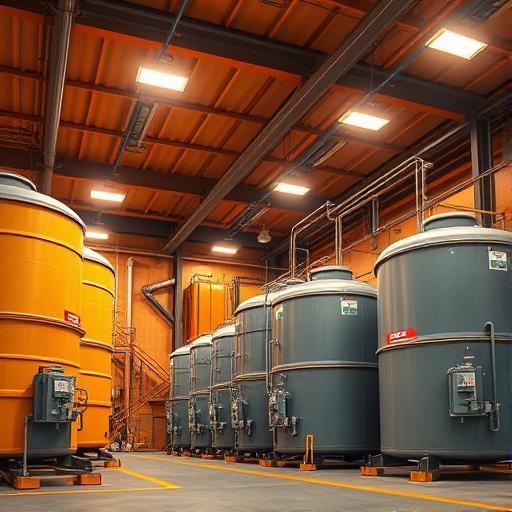
Core elements include storage tanks mounted on skids, dispensing pumps, filtration units, and control valves. Steel tanks offer welded construction for durability under heavy use, while polyethylene options resist corrosion from certain lubricants. Pneumatic pumps often drive fluid movement in these systems, delivering precise volumes without electrical hazards. Hose reels and metering devices ensure accurate dispensing at workstations. Regular inspection of seals and gaskets prevents leaks that waste product and create slip hazards. Proper component selection matches the demands of specific industrial environments. Additional hardware such as pressure relief valves, quick-connect couplings, and desiccant breathers further protect fluid integrity by limiting moisture ingress and over-pressurization events. Many modern installations incorporate variable-speed pump controls that adjust output based on demand, reducing energy consumption and mechanical stress during low-usage periods.
Types of Bulk Oil Tanks: Steel vs. Polyethylene
Steel tanks provide high strength and welded seams that withstand pressure from large capacities, often exceeding several thousand gallons. These rigid structures suit outdoor installations where impact resistance matters most. Polyethylene tanks deliver lighter weight and chemical inertness, making them ideal for indoor setups or aggressive lubricant formulations. Both types integrate into bulk oil storage and dispensing systems with level gauges and vent filters. Facilities choose based on budget, space, and fluid compatibility. Steel versions require coatings to prevent rust, while polyethylene resists degradation without extra treatment. Stainless-steel variants are sometimes selected for food-grade or high-purity applications, while double-wall steel designs offer built-in secondary containment that simplifies regulatory compliance. Poly tanks, available in cross-linked or linear low-density formulations, can be molded with integral baffles that reduce fluid sloshing during transport or seismic events.
The Role of Proper Lubrication in Industrial Applications

Importance of Lubrication for Machinery
Lubrication reduces friction between moving parts and prevents metal-to-metal contact that leads to premature wear. In heavy equipment, consistent application of lubrication oil extends service intervals and maintains tight tolerances on critical components. Operators notice fewer breakdowns when bulk oil storage and dispensing systems deliver clean fluid on schedule. Proper lubrication also dissipates heat generated during high-speed operation. Plants that prioritize this practice report lower maintenance costs and higher uptime across production shifts. Beyond basic friction reduction, modern lubricants form protective films that guard against corrosion, neutralize acids formed during combustion or oxidation, and suspend wear debris until filtration removes it. In gearboxes operating under shock loads, extreme-pressure additives prevent micropitting and scuffing that would otherwise shorten component life by thousands of operating hours.
Common Lubricants Used in Bulk Oil Systems
Industrial sites stock hydraulic fluids, gear oils, compressor lubricants, and turbine oils in bulk quantities. Each type matches specific viscosity grades and additive packages for the equipment it protects. Bulk oil tanks hold these lubricants in centralized locations, allowing quick transfer to multiple machines. Synthetic options offer extended drain intervals compared with mineral-based products. Facilities track usage through metering to reorder before shortages occur. Selection depends on operating temperatures, load conditions, and manufacturer recommendations. Hydraulic systems frequently employ ISO 46 or 68 anti-wear fluids, while enclosed gearboxes may require ISO 220 or 320 gear oils containing sulfur-phosphorus additives. Compressor lubricants must resist oxidation at elevated discharge temperatures, often leading facilities to stock PAO-based synthetics rated for 8,000-hour service lives.
Impact of Lubrication on Operational Efficiency
Effective lubrication directly boosts machine output by minimizing energy losses from friction. Clean, properly filtered fluid circulates without clogging passages or scoring surfaces. Bulk oil dispensing systems streamline replenishment so technicians spend less time on manual refills. Plants achieve measurable gains in throughput when lubrication schedules align with production demands. Poor lubrication practices, by contrast, trigger overheating and unplanned stops that erode profitability. Studies in continuous-process industries indicate that optimized lubrication programs can reduce unplanned downtime by 20–30 percent and lower energy consumption by 1–3 percent across motor-driven equipment, translating into substantial annual savings for large facilities.
Safety and Regulatory Compliance in Bulk Oil Systems
Understanding OSHA Regulations
OSHA sets strict standards for handling and storing large volumes of lubricants in industrial settings. Employers must label containers clearly and provide secondary containment around storage tanks. Training programs cover spill response and proper use of personal protective equipment during dispensing. Bulk oil storage and dispensing systems require guards on moving parts and safe access platforms for tank inspections. Compliance avoids costly citations while protecting workers from slips and chemical exposure. Facilities must also maintain material safety data sheets in accessible locations and conduct hazard communication training that addresses both acute exposure risks and chronic health effects associated with prolonged skin contact or inhalation of oil mists.
EPA Guidelines for Bulk Oil Storage
The EPA mandates spill prevention, control, and countermeasure plans for facilities storing oil above certain thresholds. Operators install dikes or berms around tanks to contain potential releases. Regular integrity testing of welded steel tanks and polyethylene units helps meet these requirements. Documentation of inspection records demonstrates adherence during audits. Bulk oil systems that follow EPA guidelines reduce environmental liability and avoid cleanup expenses from leaks. For sites exceeding 1,320 gallons in aggregate oil storage, the SPCC plan must detail drainage patterns, spill response equipment inventories, and employee training schedules, with updates required after any significant equipment modification or spill event exceeding reportable quantities.
Fire Safety Measures in Oil Storage Facilities
Fire safety protocols include proper grounding of tanks to prevent static ignition during fluid transfer. Facilities maintain clear aisles around storage areas and install automatic suppression systems near bulk oil tanks. Flammable lubricant vapors require ventilation and explosion-proof electrical fixtures. Emergency shutoff valves on dispensing lines allow rapid isolation during incidents. Training drills prepare staff to respond quickly and limit damage when fires threaten oil storage systems. Many installations also incorporate foam-water deluge systems calibrated for hydrocarbon fires and infrared flame detectors that trigger alarms within seconds of ignition.
Best Practices for Maintenance and Filtration in Bulk Oil Systems

Regular Maintenance of Storage Tanks
Scheduled cleaning removes sediment that accumulates at tank bottoms and degrades lubricant quality. Technicians check welds on steel tanks for cracks and inspect polyethylene surfaces for stress marks. Level sensors and vents need calibration to avoid overfills or vacuum collapse. Bulk oil storage and dispensing systems benefit from annual professional servicing that includes gasket replacement and pump seal checks. Consistent upkeep prevents costly failures and extends equipment life. Best-practice programs also include ultrasonic thickness testing of steel tank walls every three to five years and visual inspection of internal coatings using borescopes to detect early signs of delamination.
Importance of Filtration in Lubrication Systems
Filtration removes particles that cause abrasive wear inside pumps and valves. Inline filters capture contaminants before fluid reaches machinery through dispensing lines. Multi-stage systems handle both coarse debris and fine particulates down to micron levels. Regular filter changes maintain flow rates and protect sensitive components. Facilities that invest in robust filtration report longer lubricant life and fewer bearing replacements across their operations. Targeting ISO 4406 cleanliness codes of 18/16/13 or better for hydraulic systems has been shown to extend component life by factors of two to five compared with unfiltered or poorly filtered fluids.
Managing Waste Oil: Disposal and Recycling Options
Waste oil collection begins with dedicated containers that prevent mixing with fresh lubricants. Certified haulers transport used fluid to recycling centers where it becomes re-refined base stock. On-site filtration units sometimes restore marginally contaminated oil for reuse in less critical applications. Proper tracking of waste oil volumes supports regulatory reporting and demonstrates environmental responsibility. Recycling programs lower disposal costs while recovering value from spent lubrication oil. Re-refining processes can recover up to 70 percent of the original base oil, significantly reducing the carbon footprint compared with disposal or burning for energy recovery.
Innovations in Bulk Oil Storage and Dispensing Technologies
Gravity Feed vs. Pump Dispensing Systems
Gravity feed setups rely on elevated tank placement to move fluid through valves without external power. These simple designs work well for lower-viscosity lubricants in controlled environments. Pump systems, often pneumatic, deliver higher pressure and consistent flow for thicker oils or long-distance transfers. Bulk oil dispensing benefits from hybrid approaches that combine both methods for flexibility. Operators select based on layout constraints and required delivery rates. Modern gravity systems may incorporate solenoid valves linked to barcode scanners that authorize dispensing only for approved users and record volumes automatically for inventory reconciliation.
Advancements in Automation for Bulk Oil Handling
Automated monitoring tracks tank levels in real time and triggers reorder alerts before stock runs low. Programmable controllers manage pump cycles and filtration sequences to optimize energy use. Integration with plant-wide systems allows remote oversight of bulk oil storage and dispensing operations. Sensors detect leaks or pressure drops instantly, enabling swift corrective action. These technologies reduce manual intervention and improve accuracy across lubricant management tasks. Cloud-connected platforms now enable multi-site visibility, allowing corporate reliability teams to benchmark consumption patterns and identify anomalies indicative of leaks or misuse.
Future Trends in Bulk Oil Storage Solutions
Modular tank designs on skids simplify expansion when production grows. Advanced materials improve compatibility with next-generation synthetic lubricants. Smart filtration units self-diagnose clogging and schedule maintenance automatically. Sustainability drives interest in closed-loop systems that recycle waste oil on site. Facilities adopting these innovations gain competitive edges through lower operating costs and enhanced reliability in bulk oil storage systems. Emerging additive-manufactured tank components and sensor-embedded liners promise further gains in customization and condition monitoring over the coming decade.
See Also
- The Benefits of Polyethylene Tanks in Bulk Oil Dispensing Systems
- Understanding OSHA Regulations for Safe Bulk Oil Storage Practices
- Waste Oil Management Strategies for Efficient Bulk Oil Systems
- Maximizing Efficiency with Advanced Bulk Oil Storage and Dispensing Solutions
- Innovative Skid Mounted Solutions for Bulk Oil Storage and Dispensing