The Essential Guide to Choosing the Right Ceramic Weld Backing for Your Next Project
Understanding Ceramic Weld Backing
What is Ceramic Weld Backing?
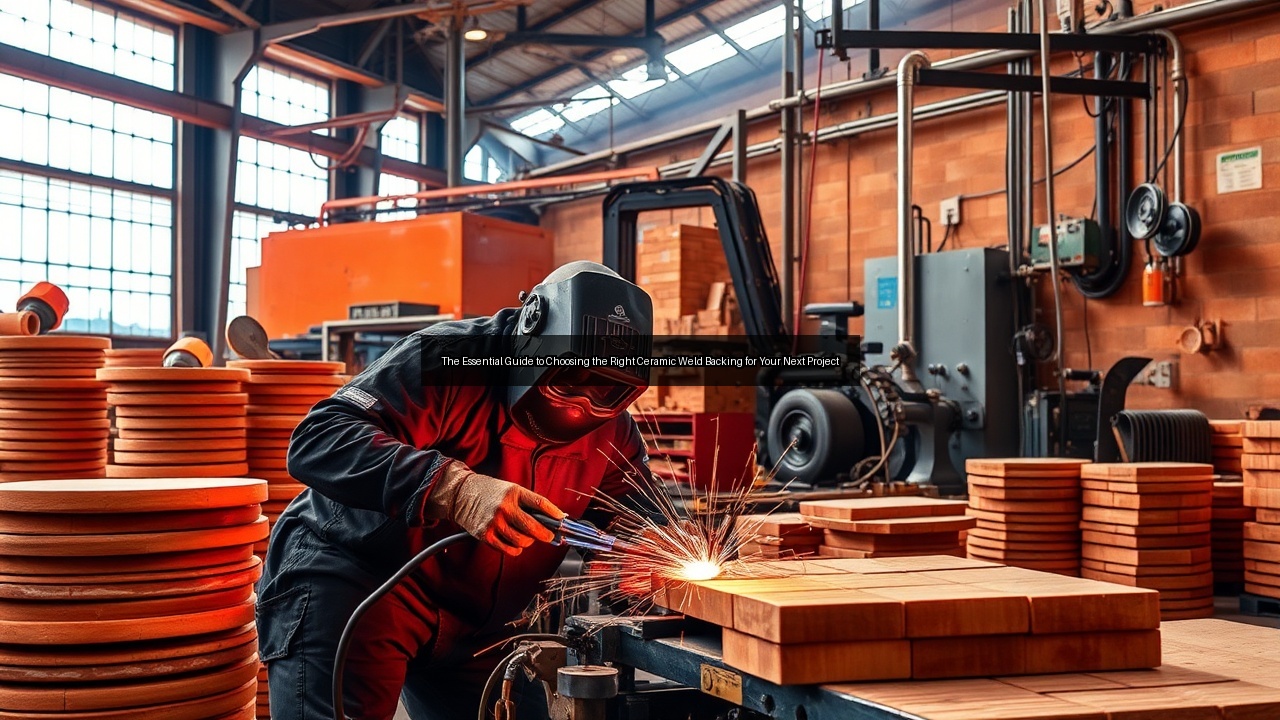
Ceramic weld backing serves as a crucial component in various welding processes, particularly in applications requiring high precision. Essentially, it consists of a non-metallic material that provides support to the weld joint. Made from ceramics, this backing absorbs heat during welding, reducing the risk of burn-through and enhancing the overall weld quality. It acts as a barrier, preventing contamination from the surrounding environment, which can compromise the integrity of the weld. This is especially important when dealing with metals that are sensitive to oxidation or require a clean weld pool.
Benefits of Using Ceramic Weld Backing
Opting for ceramic weld backing offers numerous advantages. Firstly, it improves the aesthetic quality of the welds, producing smoother finishes and reducing the need for excessive post-weld cleanup. This results in time and cost savings, making it an economically viable choice for professional welders. Additionally, ceramic backing withstands high temperatures and can endure the rigors of various welding methods, such as TIG (Tungsten Inert Gas) welding, making it versatile for different projects. The ability to prevent weld contamination is another key benefit. When using ceramic materials, welders can expect cleaner, stronger welds, enhancing the final product's durability.
Types of Ceramic Weld Backing Products
A variety of ceramic weld backing products exist to cater to specific welding needs. The most common forms include ceramic backing strips and ceramic backing tapes. Strips provide a sturdy, long-lasting option for larger weld joints, while tapes offer flexibility for intricate or curved surfaces. Some manufacturers like ESAB and Gullco International produce specialized ceramic backing products designed for particular applications, ensuring welders have the best options available. Additionally, ceramic tiles can be used in high-temperature environments where traditional backing might fail. Each type serves distinct purposes, allowing welders to choose based on project requirements.
Choosing the Right Ceramic Weld Backing for Your Project
Factors to Consider When Selecting Ceramic Weld Backing
Selecting the appropriate ceramic weld backing involves several critical factors. The type of joint and the metal being welded significantly influence the decision. Factors such as thickness, weld position, and the welding method also play pivotal roles. For instance, thicker materials may require more robust backing to sustain the heat and pressure during welding. Additionally, consider the thermal properties of the ceramic material. Some ceramics withstand higher temperatures, making them ideal for applications involving metals that expand significantly during welding. Another consideration is the ease of application. Certain products may adhere better or be easier to manipulate, which can affect workflow. Ultimately, choosing the right ceramic weld backing can lead to improved weld quality and project efficiency.
Comparing Ceramic Weld Backing Options: Tape vs. Strip
When comparing ceramic weld backing options, professionals often debate between using tape and strips. Ceramic backing tape is thinner and more flexible, making it suitable for tight spaces or irregular shapes. It adheres well to surfaces, ensuring a consistent backing throughout the weld. However, it might not provide the same level of support for larger, heavier applications as ceramic strips do. Strips, on the other hand, offer robust support and are better suited for thicker materials and larger joints. They can handle significant heat and pressure while maintaining their integrity. Ultimately, the choice between tape and strip depends on the specific requirements of the welding project, including joint design, metal thickness, and the welder's preference.
How to Assess Quality: ESAB vs. Gullco
Quality assessment of ceramic weld backing products can often come down to brand reputation. ESAB and Gullco International are two reputable manufacturers that provide various options for weld backing. ESAB is known for its innovative designs and high-performance materials, making it a preferred choice among many professional welders. Their products often come with detailed specifications regarding heat resistance and application techniques. Conversely, Gullco offers a range of ceramic weld backings that focus on durability and ease of use. Comparatively, Gullco's backing products are designed with user-friendly application methods that enhance productivity. Evaluating these brands involves examining user reviews, product specifications, and overall performance in real-world applications, guiding welders toward the best options for their projects.
Application Techniques and Best Practices
Preparing the Surface for Welding
Proper surface preparation is vital before applying ceramic weld backing. Start by cleaning the metal surfaces to remove any contaminants such as oil, grease, or rust. Use a degreaser or a suitable cleaning solution to ensure a clean surface. Next, inspect the welding area for any irregularities or imperfections that could affect the weld quality. Smooth out any rough edges or burrs, as these can lead to inconsistent weld penetration. Depending on the welding method and material, you may need to roughen the surface to promote better adhesion of the ceramic backing. After preparation, ensure that the backing adheres well to the surface; this step is crucial to prevent any movement during the welding process.
Using Ceramic Backing with Different Welding Methods
Ceramic weld backing can significantly enhance the quality of welds across various welding methods. In TIG welding, for example, ceramic backing helps maintain a stable arc while protecting the weld pool from contamination. The backing absorbs excess heat and prevents burn-through, allowing for cleaner welds. When using MIG (Metal Inert Gas) welding, ceramic backing can also assist in managing heat distribution, especially in thicker materials. Additionally, in stick welding, ceramic backing provides a solid foundation for the weld bead, ensuring proper penetration. Regardless of the method, understanding how to apply ceramic backing in conjunction with specific techniques will yield better results and prolong the lifespan of the weld.
Tips for Effective TIG Welding with Ceramic Backing
Effective TIG welding with ceramic backing requires attention to detail and technique. Start by selecting the appropriate ceramic backing for your specific project, considering joint design and metal type. Set the correct amperage on your TIG welder, as too high of a setting can lead to burn-through, even with backing. Maintain a steady hand while guiding the welding torch to ensure consistent heat distribution. Additionally, use a suitable welding rod that complements the base metal and ceramic backing, enhancing the overall integrity of the weld. Keep a close eye on the weld pool; it should be fluid but not excessive. Finally, allow adequate cooling time after welding to prevent warping, ensuring the ceramic backing maintains its position throughout the process.
Troubleshooting Common Issues
Identifying Problems with Weld Quality
Identifying issues with weld quality is crucial to achieving optimal results. Common problems include porosity, which occurs when gas forms in the weld pool, leading to weak spots. This issue can arise from contaminated surfaces or improper shielding gas coverage. Inspect the weld for signs of undercutting, which happens when the weld metal erodes the base material, creating a groove. This defect can result from excessive heat or incorrect torch angle. Additionally, look for inconsistent bead appearance; variations in width or height may indicate improper technique or uneven backing application. Diagnosing these issues early allows for corrective measures, improving the quality of future welds.
Addressing Backing Failures and Repairs
Backing failures can disrupt welding operations and affect the final product's integrity. If the ceramic backing detaches during the welding process, immediately stop and assess the situation. Reapply the backing according to the manufacturer's instructions, ensuring a clean and secure fit. For minor damages, such as small cracks or chips, consider using high-temperature ceramic adhesive to repair the backing before proceeding. Regular maintenance checks on the backing material can prevent future failures. Store ceramic weld backing in a controlled environment to avoid moisture damage, which can compromise its effectiveness. Proper care and timely repairs ensure the longevity of your ceramic backing, leading to more successful welding projects.
Maintaining and Storing Ceramic Weld Backing
Proper maintenance and storage of ceramic weld backing play a vital role in its effectiveness. After each use, inspect the backing for signs of wear or damage. Clean any residual welding material or contaminants to prolong its life. Store ceramic backing in a dry, cool place away from direct sunlight and moisture. Excessive heat or humidity can degrade the material, reducing its performance during welding. Additionally, avoid stacking heavy items on top of the backing, as this can lead to cracks or deformities. Following these maintenance tips ensures that your ceramic weld backing remains in optimal condition, ready for your next welding project.